
Music is a universal language that brings rhythm and melody to life. We write music using a system of signs and symbols called musical notation.
The staff is the base of musical notation. Bar lines divide the music into smaller sections, making it easier to read. Time Signature show how the beats are grouped and counted. Learning these basics helps musicians read, write, and play music more clearly and confidently.

Staff (or Staves): Music’s Home Base
Have you ever looked at sheet music and wondered what those lines and dots mean? It’s not a secret code – it’s how musicians write down tunes and beats so anyone can play them. Let’s break it down step by step and see how music gets from a sound to a page!
In Western music, notes are written on the staff. Today’s version of the staff has been used since the 13th century. It has five horizontal lines and four spaces. Notes are placed on the lines, in the spaces between them, and above or below the staff with the help of ledger lines. Each line and space represents a different pitch that you can sing or play.
Let’s number each line and space on the staff. To make it easier, imagine them like floors in a building. The bottom line is floor 1, and we count up from there!


What does a Clef mean in music?
Musical symbols tell us the pitch and length of each note. Other signs show how fast or slow to play, and how loud or soft the music should sound. One of the first symbols we learn is the clef – think of it as a key that unlocks the world of music!
So: What is a “Clef”? Clefs appear at the start of the staff, on the left side. They tell you which notes go where so you can play the correct pitches. What are the four types of clef?!

What is the symbolism of Treble Clef?
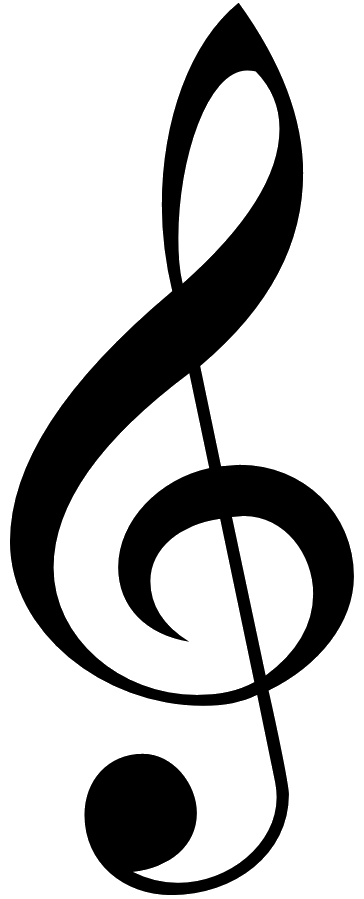
The Treble Clef, also known as the G Clef, is a musical symbol that indicates the pitch G4 on the second line of the staff. (And this is why it’s called G clef!) It is commonly used for higher-pitched instruments and voices, such as the violin, flute, and soprano voice.

What is the symbolism of Bass Clef?
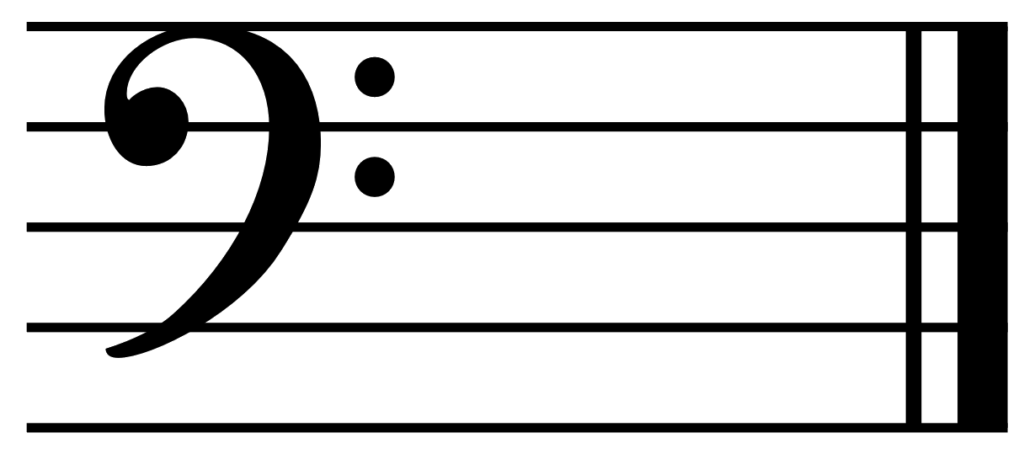
The Bass Clef, also known as the F Clef, designates the fourth line of the staff as the note F3. The two dots of the symbol surround this line, visually pointing to the pitch. It is used for lower-pitched instruments and voices such as the cello, tuba, bass guitar, and the left hand of the piano.

What is the meaning of C Clef in music?
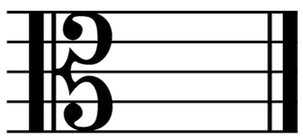
Alto Clef
The Alto Clef is a type of C Clef where the center of the clef symbol marks the middle line of the staff as Middle C (C4). What is the Alto Clef for? It is mainly used for the viola, and occasionally in older choral music. The alto clef helps players read music that sits in a range between treble and bass, avoiding too many ledger lines.

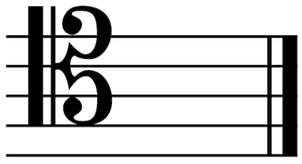
Tenor Clef
The Tenor Clef is another form of the C Clef, where the middle line of the staff also represents Middle C (C4). What is the Tenor Clef for? It is used for higher parts played by lower-pitched instruments, such as the cello, bassoon, or trombone when they play in a higher register. The tenor clef helps avoid excessive ledger lines and provides clear notation for transitional ranges.
PS: There is also the neutral clef, or percussion clef. This clef, is used in percussion music but also in rhythmic exercises (like rhythm solfege). It doesn’t indicate pitch, but it shows shows the time value of the notes.
Note and Rest Values in Music: Understanding Sound and Silence
In music, the pulse is like a heartbeat – it keeps the rhythm steady and gives the piece structure. Every note and rest has a set duration, telling you how long to play and stay silent. Learning how long each one lasts helps musicians stay in time, play with expression, and read music accurately. Whether you’re just starting out or already performing, understanding note and rest values is a must.
What are Time Values in Music?
Note Duration: How many counts a note lasts.
A whole note (called a semibreve in British terms) lasts for 4 beats. You count it like: 1-2-3-4. It’s the longest note in common use.

A half note (or minim) lasts for 2 beats. Count is as 1-2. It’s exactly half the length of a whole note.

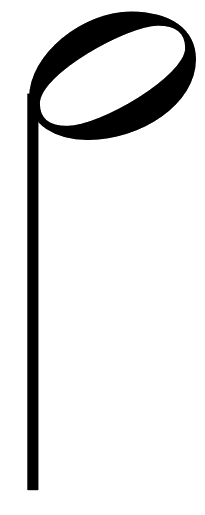
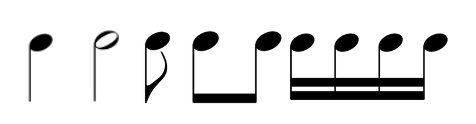
The half note, has an empty notehead and a stem!
Spelling rule: All notes-except for the whole note- have stems (a vertical line). If a note is on the third line or higher, its stem goes down and to the left. This rule helps keep music looking neat and easy to read.
Dotted Notes
A dot after a note increases its duration by half of its value.
For example, a dotted half note lasts 3 beats: 2 beats + 1 extra beat (from the dot).

Triples
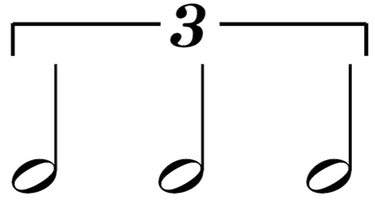
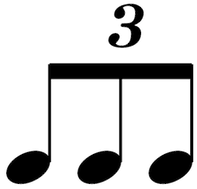
A triplet is a group of 3 notes played in the time of 2.
For example, three half notes in a triplet should be played evenly within the duration of 4 beats total – not 6. You’ll see a 3 and a bracket above or below them.
A quarter note (called a crotchet in British terms) lasts 1 beat. It’s the most commonly used note in music. You count it simply as “1”.

A quarter note has a filled notehead and a stem!|
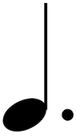
A dotted quarter note lasts for 1½ beats. That’s one full beat plus half a beat more. It’s often followed by an eighth note to fill the second beat.
A 3 quarter notes (crotchets) grouped together in a triplet, means they should be played evenly within the duration of a Half Note (2 beats!)

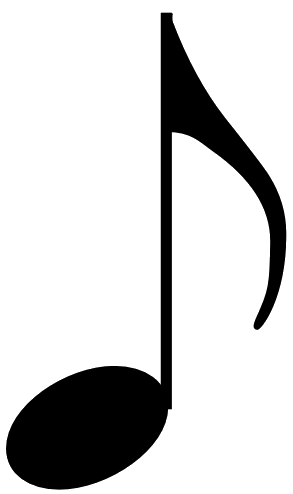
An eighth note (or quaver) lasts for ½ a beat.
An eighth note has a filled in notehead and a flag!
Beaming
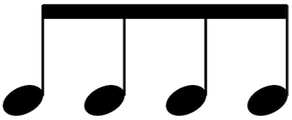
Two eight notes equal 1 beat when played together. Eighth notes are often beamed together using horizontal line instead of separate flags (or tails) , making them easier to read in groups of 2, 4, or more.

A triplet of eighth notes means playing 3 notes in the duration of two eighth notes – so they fit into 1 beat total.
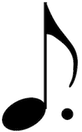
A dotted eighth note lasts for ¾ of a beat (½ + ¼). It’s usually paired with a sixteenth note to complete the full beat.
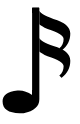
A sixteenth note (or semiquaver) lasts for ¼ of a beat.
2 joined sixteenth notes equal ¼ + ¼ = ½ beat (duration of one quaver).
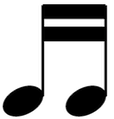
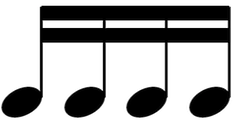
Four joined sixteenth notes equal 1 beat. ( ¼ + ¼ + ¼ + ¼ = 1 beat duration all together!). They’re often grouped together with beams for easier reading – just like eight notes, but with two flags instead of one.
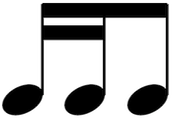
Two sixteenth notes and one eight note joined together = ¼ + ¼ + ½ = 1 beat duration!
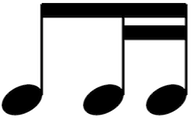
Same here: One eighth note and two sixteenth notes beamed together =½ + ¼ + ¼ = 1 beat.
One sixteenth, one eighth, and one sixteenth = ¼ + ½ + ¼ = 1 beat.

These combinations are often beamed together in the same rhythmic group.
If the note is above the 3rd line of the stave, the stems point down.
What are Rest Values in Music?
”Silence is so accurate.“- Mark Rothko”
In music, rests are just as important as notes. They show when to pause and give space in the music. Rests help create rhythm, shape emotion, and let the music breathe.
Whole Rest (Semibreve Rest): 4 beats of silence. It hangs below the 4th line of the staff.

Half Rest (Minim Rest): 2 beats of silence. It sits on top of the 3rd line.

Quarter Rest (Crotchet Rest): 1 beat of silence.

Eighth Rest (Quaver Rest): ½ beat of silence.
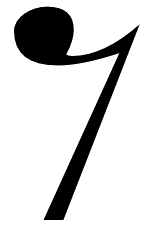
Dotted Quarter Rest: 1 + ½ beats= 1 ½ beats of silence.
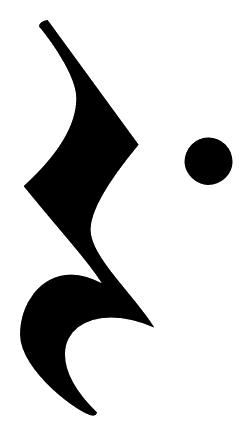
Sixteenth Rest (Semiquaver Rest) = ¼ beat of silence.

In the next post, we’ll explore how time values in music are divided proportionally. How many half notes make up a whole note? How many quarter notes fit into a half note? We’ll answer these questions and help you see the patterns behind musical rhythm.
Why does this matter? Notes, rests, clef and the staff are like the alphabet of music. They help you read, write, and perform songs – whether it’s a simple lullaby or a rock anthem.
Now that you know the basics of notes, rests, and clefs, it’s time to put it all into practice. So, the next questions are: How to read treble clef music? How to read bass clef music? In the following lessons, we’ll answer both and guide you through reading notes in each clef, step by step. You’ll soon be able to recognize pitched quickly and read music with confidence.
Practice
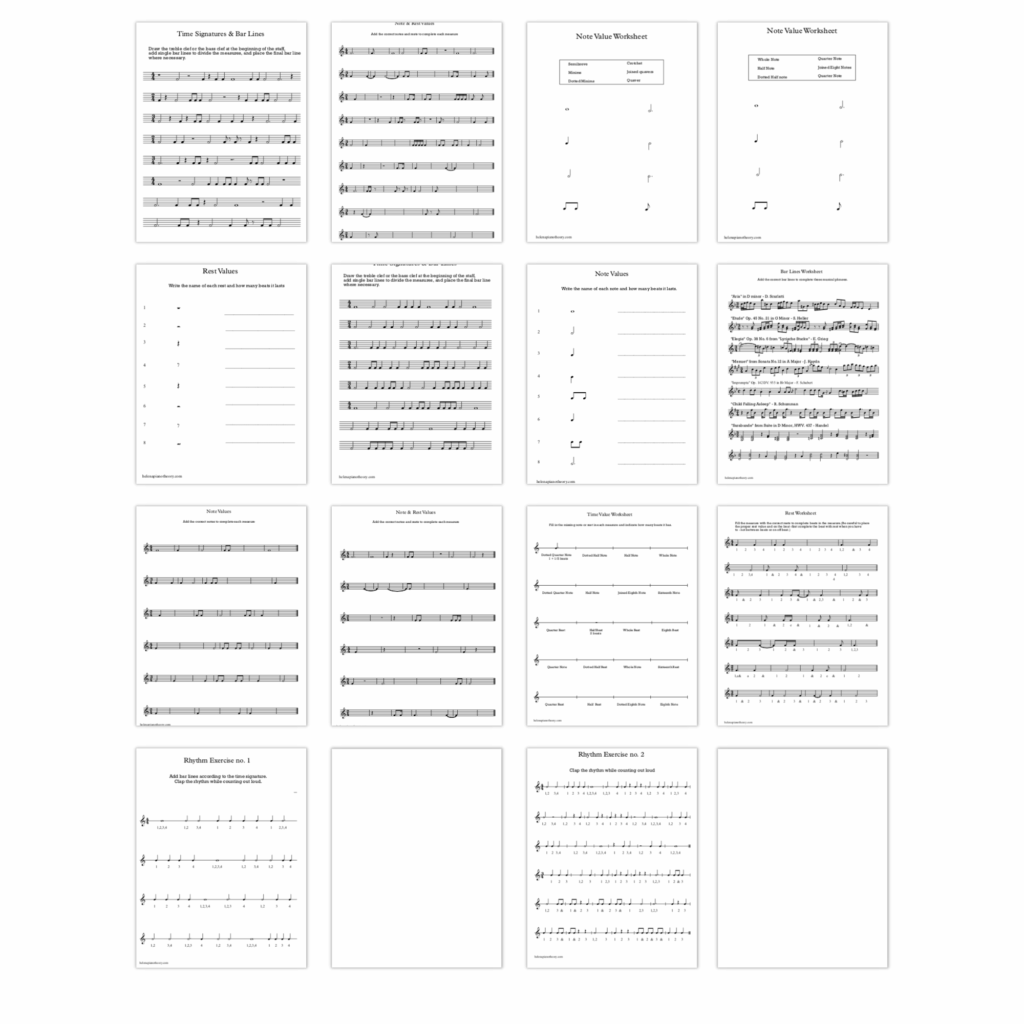
You can practice clefs, notes on lines and spaces, and their different values with this printable PDF!
Shop Complete Grade 1 Note & Rest Values Printable PDF
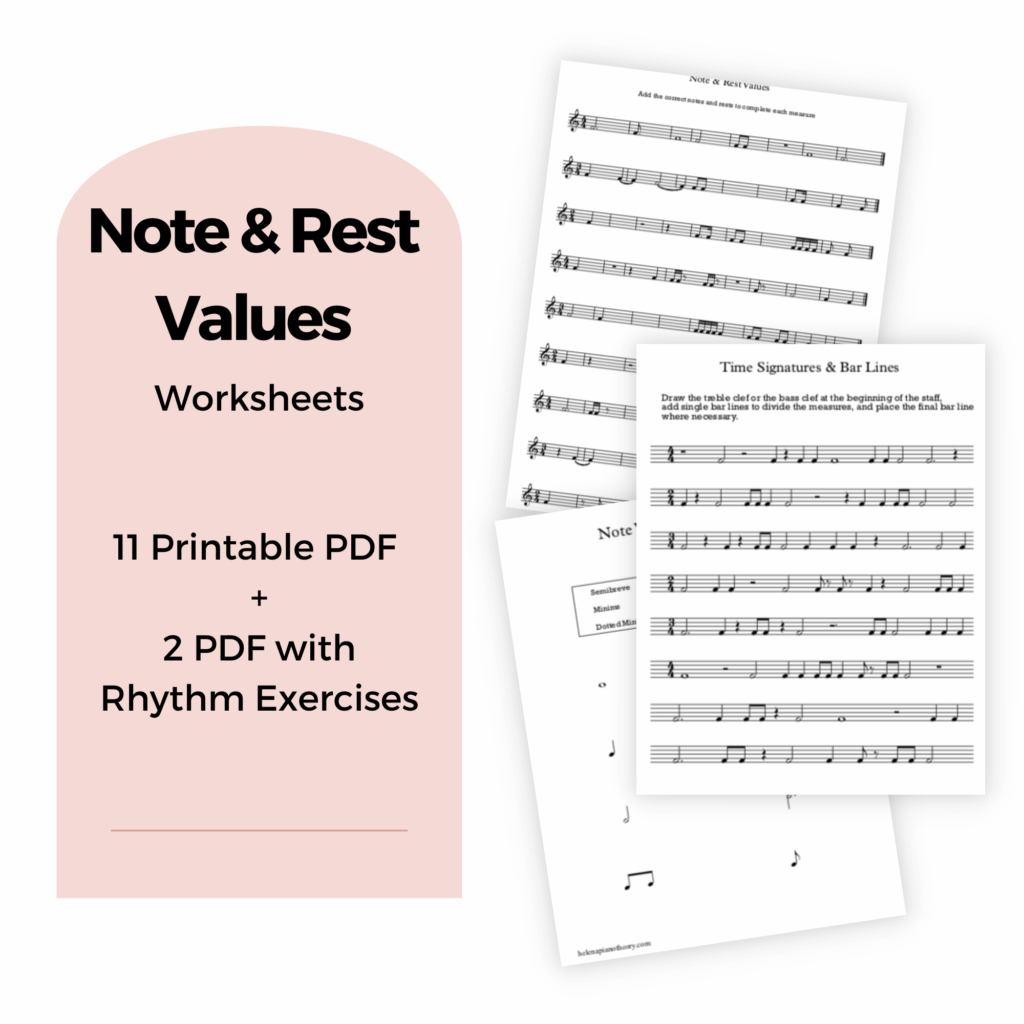
You can find worksheet suitable for Grade 1 Music Theory Exams in Etsy Shop. There are two separate listing. A simple introduction to basic Note Values, perfect for first music lesson!

Thank you so much for supporting my work! If you enjoyed what you saw, feel free to check out more of my creations in my Etsy shop or support me with a coffee via Buy Me a Coffee. Every little bit helps and means the world to me!
Your support allows me to keep doing what I love, and I’m so grateful for each and every one of you. Stay tuned for more exciting updates!
Thank you,
Helena